When it comes to creating printed circuit boards (PCBs), reliability is paramount. A PCB must be durable and function in various environments without failure. One of the best ways to ensure longevity and reliability is by applying a conformal coating.
This thin layer of protective material shields the PCB from external factors like moisture, dust, and chemicals. But why is this coating so important, and how does it work? This post explores the different types of conformal coatings, their benefits, and their applications in PCB manufacturing.
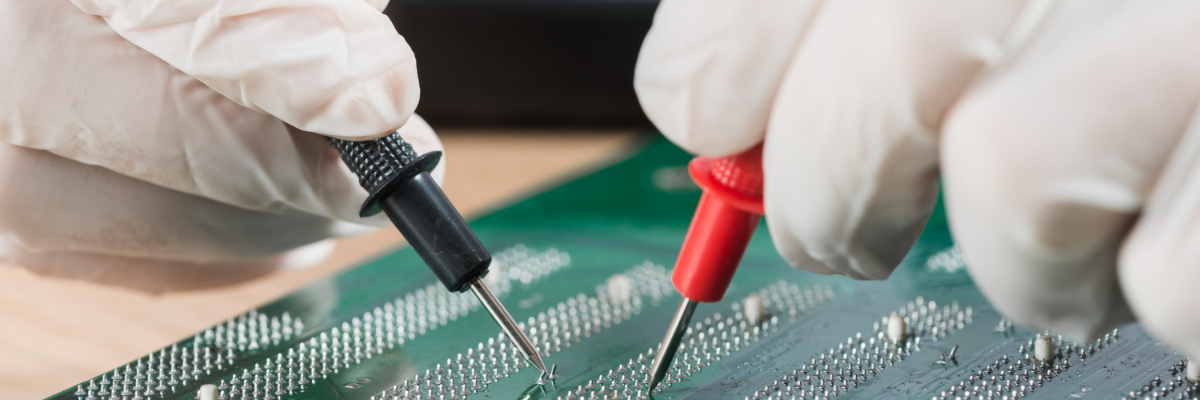
What is Conformal Coating?
Conformal coatings are protective layers that are applied to PCBs to safeguard their components from harsh environmental conditions. It is a protective, thin polymer film that shields printed circuit boards from moisture, dust, corrosion, and other environmental factors by conforming to the surface of the board. They are applied in several ways, such as spraying, dipping, or brushing, depending on the specific needs of the PCB and the application.
Types of Conformal Coatings
There are several types of conformal coatings used in PCB manufacturing, each with its own set of characteristics and advantages.
Let’s break down the most commonly used ones.
- Acrylic Coatings: Acrylic coatings are some of the most popular in the industry. These coatings are known for their excellent adhesion, ease of application, and good moisture resistance. They dry quickly and can be easily removed, which makes them a preferred choice for prototypes or low-volume production.
- Polyurethane Coatings: Polyurethane coatings offer excellent protection against mechanical wear, chemicals, and extreme temperatures. They are more durable than acrylics and provide a stronger barrier against environmental stressors.
- Silicone Coatings: Silicone coatings are flexible, heat-resistant, and offer outstanding protection against high temperatures and moisture. These coatings are often used in environments where extreme temperature fluctuations are common. Silicone coatings are particularly good at insulating PCBs from high-temperature exposure.
- Epoxy Coatings: Epoxy coatings are known for their hardness and toughness. These coatings provide strong protection against moisture and chemicals but can be difficult to remove. They are perfect for applications where permanent protection is required and the PCB will not need to be reworked.
- Parylene Coatings: Parylene coatings are applied in a vacuum chamber, and are highly effective at providing uniform protection. These coatings are used when an extremely thin, yet durable layer is required. They are also highly resistant to moisture and chemicals, making them ideal for high-precision electronics that need long-term protection.
Benefits of Conformal Coatings
Conformal coatings offer numerous benefits that make them an essential part of PCB manufacturing. Below are the main reasons why these coatings are used.
- Environmental protection: One of the biggest threats to PCB performance is the environment. Moisture, dust, dirt, and chemicals can easily interfere with the operation of delicate components. The right conformal coating acts as a barrier, preventing these elements from damaging the board, and help ensure consistent performance.
- Enhanced durability: Conformal coatings provide physical protection, reducing the risk of damage from abrasion or impact. This makes the PCB more durable and extends its lifespan.
- Thermal management: Some coatings, like silicone, offer excellent heat resistance. This can help prevent damage to components that are sensitive to temperature fluctuations, thereby reducing the risk of overheating and prolonging the board’s lifespan.
- Electrical insulation: Conformal coatings provide electrical insulation, which helps prevent short circuits and reduces the likelihood of electrical failures. This is especially important in high-voltage applications or when the PCB is exposed to fluctuating electrical currents.
Applications of Conformal Coatings
Conformal coatings are used in a wide variety of industries and applications. Here are just a few areas where they play a crucial role.
- Aerospace and military electronics: In industries where reliability is critical, these coatings protect sensitive components from extreme temperatures, moisture, and vibration, ensuring the performance and longevity of the devices.
- Automotive: Automotive electronics are exposed to a range of environmental stressors. Conformal coatings help protect PCBs in these systems, ensuring that they continue to function even in harsh conditions.
- Consumer electronics: Consumer electronics such as smartphones, laptops, and wearables benefit from conformal coatings, which offer protection from dust and moisture. This helps extend the life of these devices, ensuring they perform well even with everyday use.
- Medical devices: Medical devices are often exposed to moisture and chemicals. Conformal coatings help maintain the integrity and reliability of medical devices, which is critical for patient safety.
- Industrial equipment: Industrial equipment often operates in challenging environments. Conformal coatings help protect the PCBs in these devices from dust, dirt, and chemicals, ensuring that they continue to function properly in tough conditions.
Conformal coatings are a cost-effective way to enhance the durability, reliability, and performance of electronic devices. With various types of coatings available, manufacturers can choose the right one based on the specific needs of the application.
At Rigiflex, we deliver high-quality, durable, and reliable PCBs tailored to your specific needs, which includes conformal coating and other methods that shield the boards. Contact us today to discuss your project and see how our solutions can help you meet your production deadlines with ease and efficiency.